
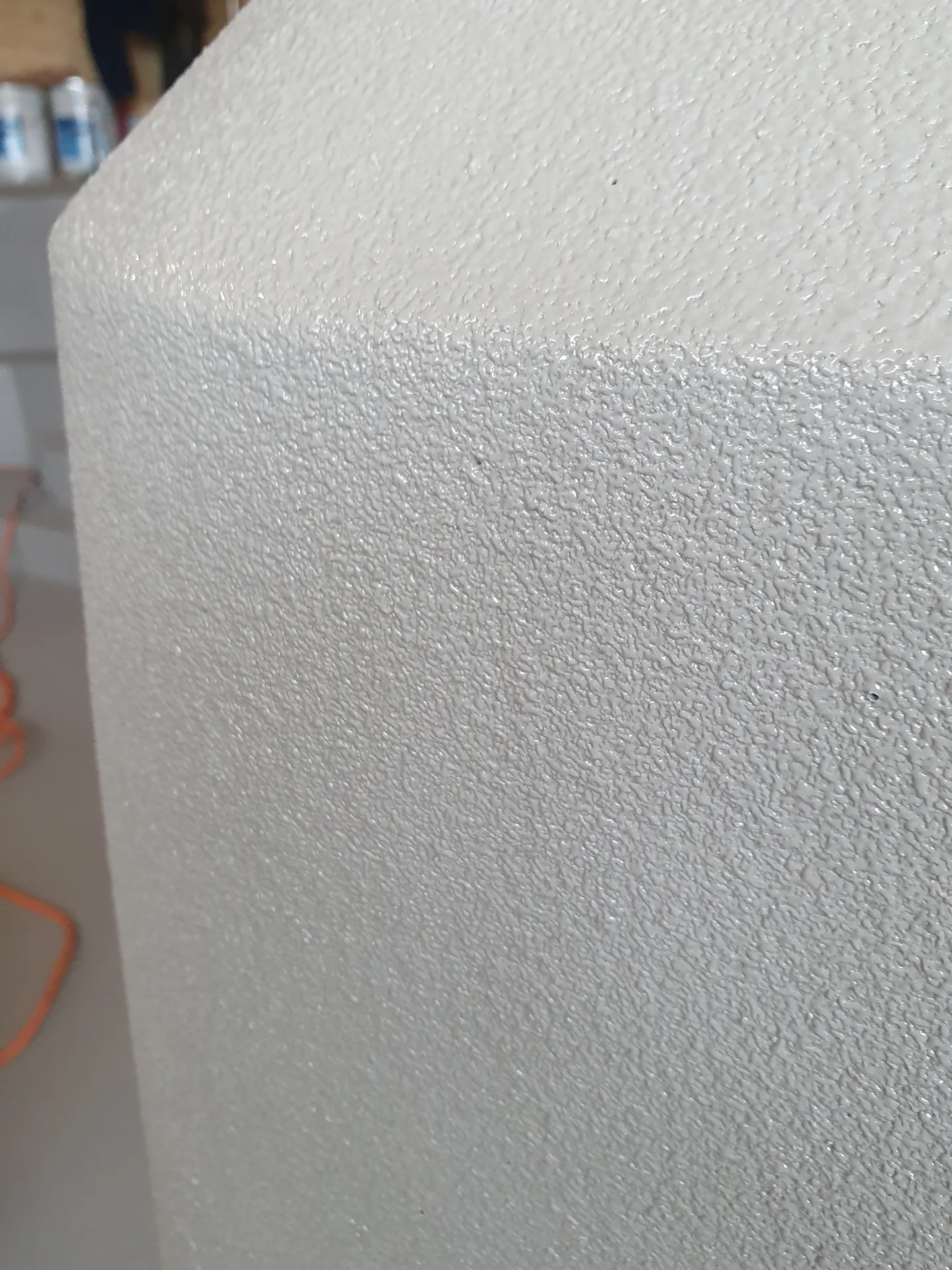
Spray-applied wear protection
Vehicle & Equipment Liners
Hard-wearing liners for ute decks, truck beds, machinery and equipment
Spray-applied liner systems can protect prepared metal, timber, fibreglass and suitable components from wear, impact, water and everyday use. The build is selected around the asset, substrate and working environment.Vehicles • trailers • machinery • equipment • wear surfaces
Applications
Protection for vehicles and equipment that work for a living
This page covers spray-applied liners on vehicles, mobile equipment and wear components. Fixed industrial infrastructure is covered under Protective Coatings.Ute deck and wellside liners
Durable coverage for prepared decks, tubs, tailgates and selected edges exposed to tools, cargo, water and regular use.Truck beds and service vehicles
Liners for commercial vehicle bodies, service areas and load spaces requiring a robust, conforming protective surface.Trailers and mobile assets
Selected trailer decks, bodies, guards and components where a spray-applied liner suits the substrate and duty.Machinery and equipment
Wear surfaces, guards, housings and components exposed to impact, vibration, abrasion, water or handling damage.Chutes, hoppers and bins
Purpose-selected liner systems for components exposed to sliding or impacting material, subject to the actual abrasion mechanism.Repairs and refurbishment
Assessment of existing liners, local damage and recoating options where the original system and substrate condition allow a reliable repair.
Liner options
Texture, coverage and finish selected for the job
A liner can be tailored visually and physically, but every choice affects cleaning, grip, wear and long-term appearance.Texture and grip
Smoother finishes are easier to clean; heavier texture can improve grip but may retain more dirt and make sliding loads harder.Coverage and masking
Edges, tie-downs, drains, bolts, access panels, lights, fittings and removable components are agreed before masking begins.Thickness and wear
The liner build is selected around the expected abrasion, impact, load type and the geometry of high-wear areas.Colour and sunlight
Colour availability depends on the system. Where colour retention matters outdoors, a compatible UV-stable finish may be required.Drainage and water traps
Existing drain paths, seams, gaps and enclosed details need review so the liner does not conceal corrosion or trap water.Edge details
The durability of a liner often depends on where it starts and stops. Exposed edges and terminations are planned around use and access.
Application process
Preparation and masking shape the finished result
The spraying itself is fast, but careful preparation is needed to achieve adhesion and a clean, deliberate finish.Inspection and scopeThe asset, corrosion, damage, existing coatings, fittings, access and required coverage are reviewed.
Removal and maskingAgreed components are removed or protected, and the liner boundary is set before surface preparation.
Surface preparationThe substrate is cleaned and mechanically prepared to the requirements of the selected primer and liner.
Primer and spray applicationThe compatible primer and liner are applied under controlled conditions to the agreed coverage and finish.
Inspection and handoverMasking is removed, details are checked and the required return-to-service timing is confirmed.
Suitability
What needs checking before a liner is recommended
Not every vehicle, component or existing surface is ready to coat. The assessment prevents a new liner from simply covering an unresolved problem.Corrosion and substrate condition
Rust, perforation, weak timber, damaged fibreglass and contamination may need repair before lining.Existing coatings and liners
Compatibility and adhesion determine whether an existing finish can remain or must be removed.Heat and chemical exposure
Operating temperature, fuels, oils, cleaners, fertilisers or other chemicals must be checked against the selected system.Flexible and moving parts
Hinges, seals, joints, fasteners and components requiring future removal should not be coated without deliberate planning.
Care and repairs
Keeping the liner serviceable
Cleaning
Use cleaning methods compatible with the finish. Aggressive solvents, heat or high-pressure cleaning at exposed edges can damage some systems.Inspection
Check high-wear zones, terminations, impact damage and any area where water or contaminants could reach the substrate.Repair
Damage may be locally repairable, but cleaning, abrasion, primer and the original coating’s recoat requirements still apply.
Pricing information
What to send for a vehicle or equipment liner price
Asset details
Make, model, dimensions, photographs and how the vehicle or equipment is used.Coverage
Areas to be lined, edges, tailgates, sidewalls, tie-downs, fittings and any parts to remove.Current condition
Rust, damage, existing paint or liner, contamination and previous repairs.Finish requirements
Texture, colour, sunlight exposure, chemicals, wear, cleaning and preferred timing.
Vehicle and equipment enquiries
Request an Assessment